
Why You Feel Tired After a Head Spa (And Why That's the Point)
·
·
You come in carrying a week’s worth of tension and leave an hour later feeling foggy, slow, maybe ready to nap. That wasn’t what you planned for. It can feel like the opposite of what the appointment was supposed to do, and it’s actually one of the clearest signals the session worked. Understanding why makes it easier to plan around and gives you a better read on what real recovery looks like versus just getting through the day.
What Your Nervous System Just Did
Your body runs on two modes: the stress state and the rest state. Most people who come in for a head spa session have been in the stress state for a long time, not dramatically, just the low-grade, always-on version that keeps cortisol levels elevated, muscles slightly contracted, and your brain scanning for the next demand.
When a Treatment Specialist applies scalp massage with the right massage techniques and pressure, it sends a direct signal to the part of the brain that manages your stress response. Cortisol drops. Heart rate slows. Blood circulation to the scalp increases. The muscles across your head, neck, and upper body start releasing muscle tension they’ve been holding, sometimes for weeks. Research shows that even a 45-minute head spa treatment can reduce cortisol levels by up to 31% while simultaneously increasing serotonin and dopamine [2,3]. That’s a documented shift in body chemistry, and transitions take energy.
The aromatherapy elements layered into the treatment reinforce this shift. Essential oils used during the scalp massage and steam phases work through the olfactory system, a direct pathway to the brain’s limbic region, compounding the nervous system response already underway. For clients who carry chronic tension headaches or migraines, the decompression a well-executed head massage produces can be particularly noticeable. The pressure and circulatory changes that reduce scalp tightness work on some of the same mechanisms that drive headache frequency, and with consistent head spa sessions, many clients report meaningful stress relief in that area over time.
Why the Shift Produces Fatigue
When your nervous system moves into rest mode, your body treats it as an opening to do recovery work that stress had been deferring. Your immune system becomes more active. Digestion normalizes. Tissue repair begins. Your brain, no longer maintaining high-alert status, starts moving toward sleep. Your lymphatic system runs a detox pass, processing and clearing waste from scalp and neck tissue that accumulated during the session.
All of that costs energy. The bigger the gap between your baseline stress levels and the state you reached during treatment, the more significant the recovery demand feels. If you came in carrying a lot, you’ll feel the shift more than someone who walked in already settled.
It’s also a different quality of tired from depletion or poor sleep. Depleted tiredness feels heavy and blunt. Post-treatment fatigue is quieter, closer to deep relaxation finishing its work. It’s almost always followed, within a day or two, by noticeably better sleep, clearer thinking, and energy that builds rather than fades. That improvement isn’t mental fatigue clearing. Your well-being baseline has actually shifted.
For Your Scalp, at the Same Time
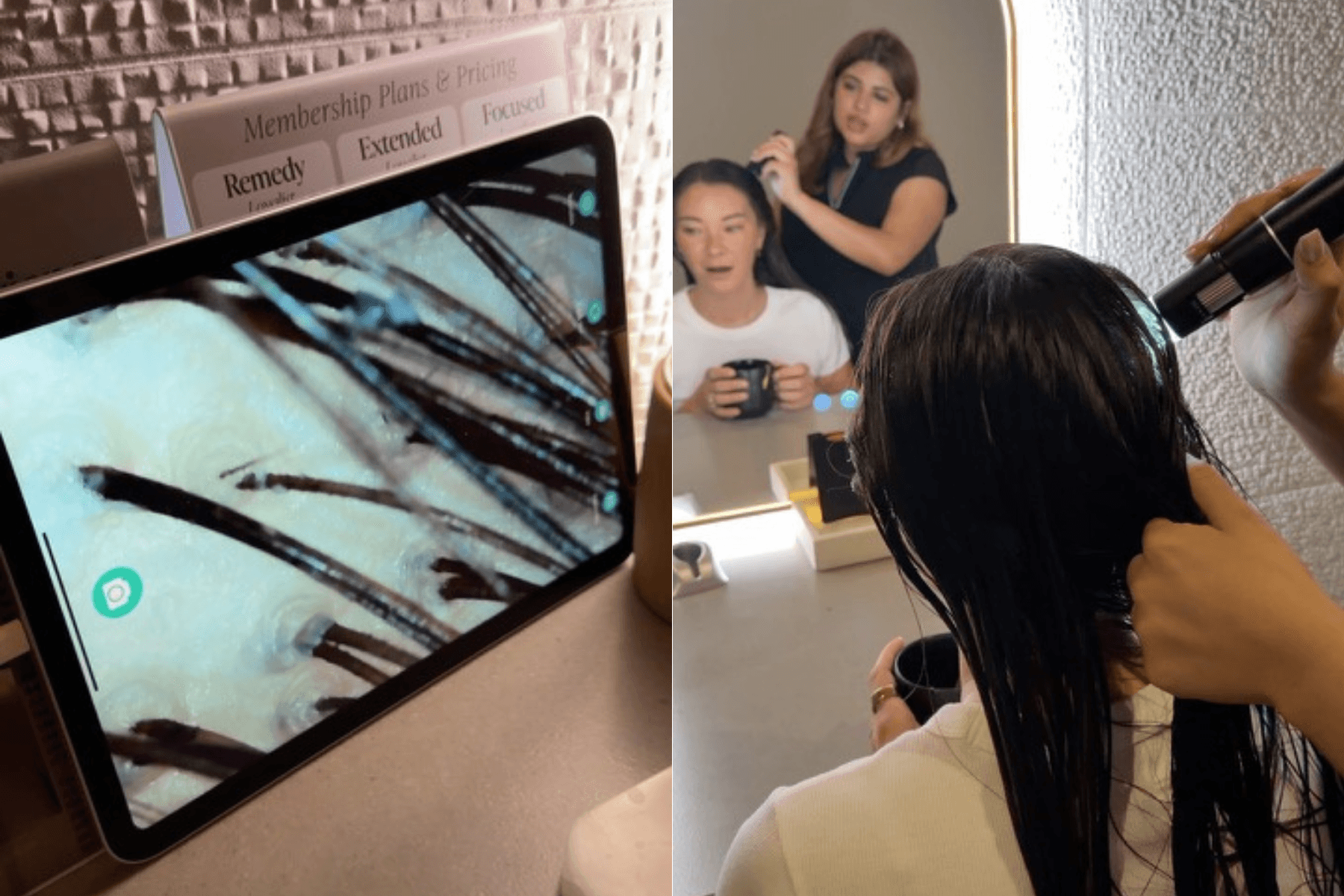
Chronic muscle tension compresses the blood vessels near the surface of the scalp, reducing blood flow to hair follicles. Less flow means less oxygen and fewer nutrients reaching the roots, which is one of the reasons prolonged stress is associated with hair thinning and slowed hair growth over time [1]. Scalp care and stress management work on the same system. The restoration of circulation that makes you feel tired post-session is also what creates better conditions for follicle health.
Beyond circulation, the deep cleansing and exfoliation steps in a head spa treatment clear the scalp of buildup , product residue, excess oil, and environmental debris that standard hair care and regular hair wash routines can’t fully address. Scalp dryness and dandruff both respond to that clearing. The nourishing treatments applied during scalp therapy continue absorbing after you leave, supporting hydration and scalp health for days afterward.
Over time, this is how consistent head spa sessions translate into stronger hair and healthier hair overall. Hair follicles that receive regular blood flow, proper hydration, and a cleared growth environment produce better results . For clients managing hair loss or hair thinning, scalp therapy is a meaningful part of a complete hair health plan alongside any clinical work on the hair growth side.
The Bigger Picture
There’s a dimension to the head spa experience that extends beyond the scalp. The quality of rest that follows a session, the clarity that comes the next morning, the physical sense of having actually recovered from your week rather than just gotten through it: that’s what makes regular scalp care something clients schedule rather than treat as an occasional self-care appointment. The gains aren’t conceptual, they’re physical: stress levels that get interrupted on a consistent basis rather than compounding, and a well-being baseline that measurably improves over time.
A consistent scalp therapy practice produces rejuvenation that’s cumulative in a way a single session can’t fully deliver.
The effects aren’t limited to the scalp, either. The neck, shoulder, and upper body release that happens during a head massage is part of why clients leave moving differently. A head spa experience produces a full-body response because your nervous system is a full-body system.
How to Work With the Window
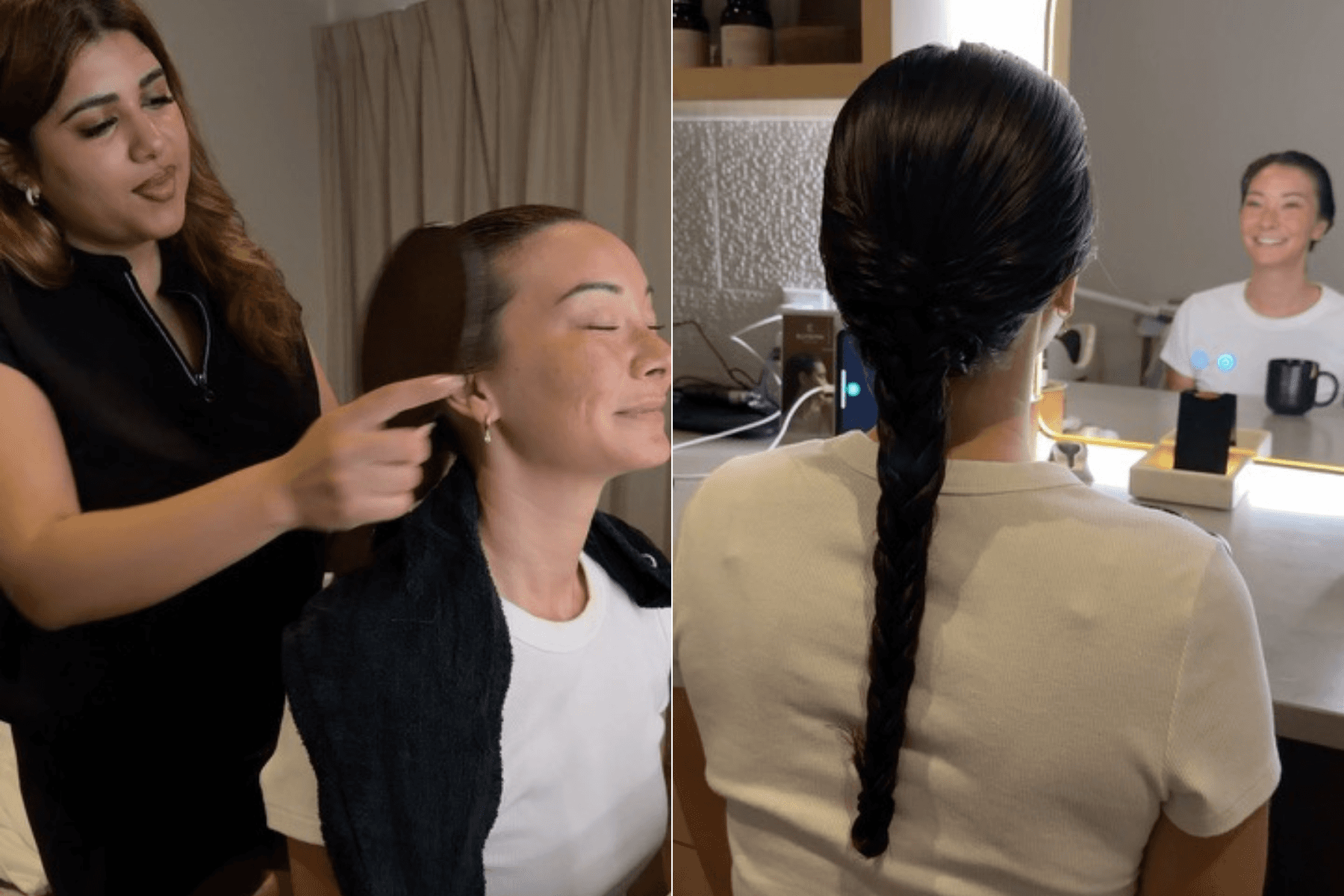
The fatigue window runs 4 to 8 hours for most people. Treating it as part of the session rather than fighting it changes how you feel the next day. Clients who push through with caffeine or go straight into high-demand work often feel more drained that evening, not restored.
A few things that help:
Book in the late afternoon or evening when you can. The fatigue window lines up with the end of your day, and the sleep quality that follows tends to be noticeably better.
Stay hydrated. The lymphatic detox activity a head spa session activates runs more efficiently with good hydration. An extra couple of glasses of water in the hours after your appointment supports the process.
Hold off on washing your hair. Your scalp is in an absorptive state post-treatment, and giving the nourishing products time to absorb before the next hair wash extends the scalp care benefit. If you’re adding a blow dry to finish the session, that’s fine, but preserve the treatment state as long as you can before the next full wash.
When Tiredness Isn’t Normal
Post-treatment fatigue is mild, resolves within a few hours, and gives way to better sleep and more energy the following day. If exhaustion doesn’t improve after 24 hours, or you’re noticing sharp or localized pain, or anything that feels more like illness than rest, that’s worth a call to your doctor. Normal recovery improves steadily, it doesn’t worsen.
References
• Yaribeygi H, et al. The impact of stress on body function: A review. EXCLI Journal. 2017;16:1057-1072.
• Field T, et al. Massage therapy reduces anxiety and enhances EEG pattern of alertness and math computations. International Journal of Neuroscience. 1996;86(3-4):197-205.
• Diego MA, Field T. Moderate pressure massage elicits a parasympathetic nervous system response. International Journal of Neuroscience. 2009;119(5):630-638.


